How to Clean Thrifted Clothes Before You Wear Them
The actual steps by fabric type, plus what to do about smells, stains, and stiff vintage leather before it touches your skin.
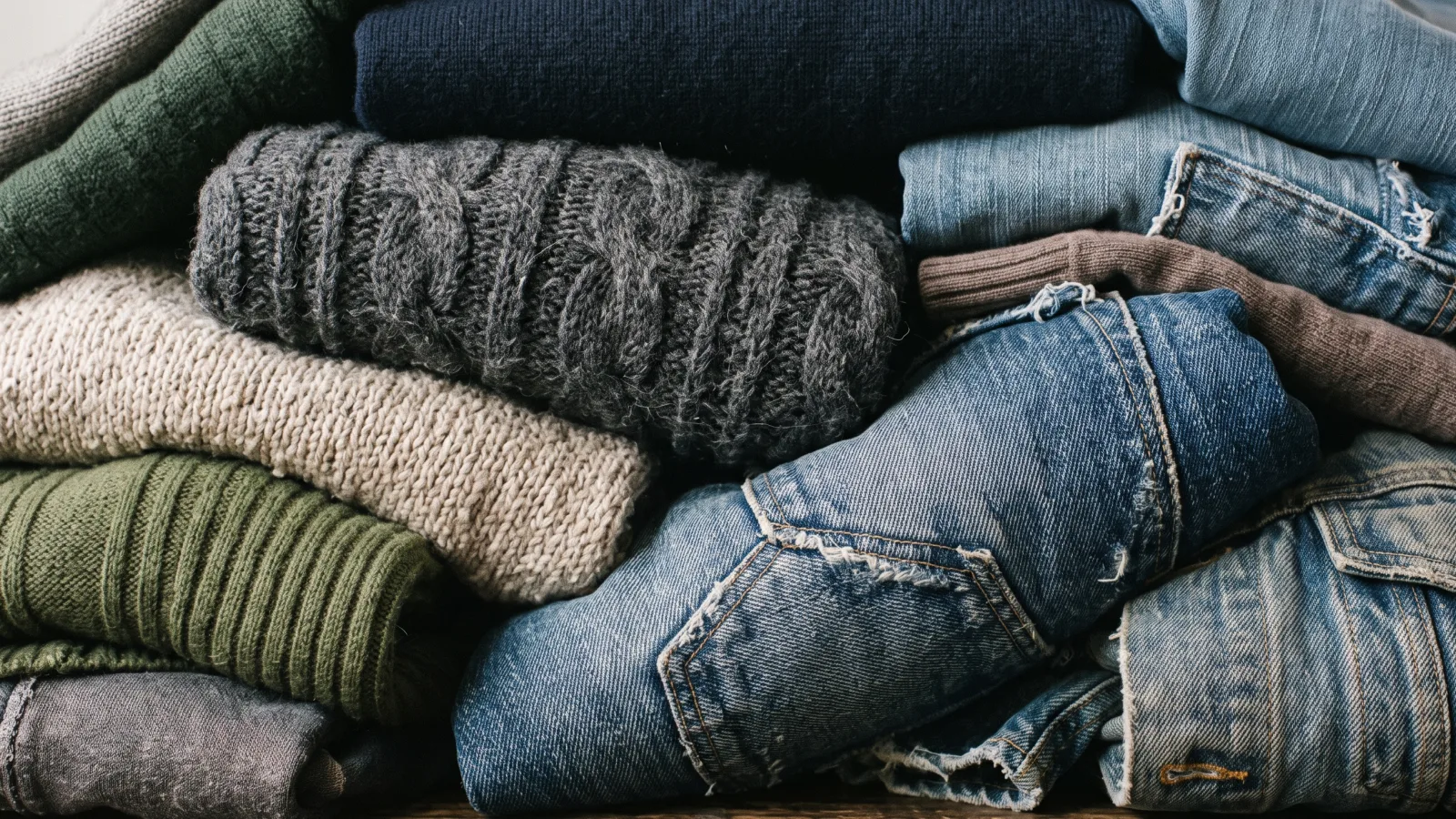
Sort before you wash anything
The single most common mistake with new thrift hauls is treating every piece the same way. Sort into three groups before touching detergent:
- Machine-washable — cotton, sturdy synthetics, most denim.
- Hand-wash or gentle-cycle only — wool, silk, anything with beading, sequins, or delicate knitwork.
- Not water-washable at all — leather, suede, structured tailoring with interior padding, anything with a dry-clean-only care label you intend to respect.
Check the care label first, but don't fully trust it — vintage pieces sometimes have missing or illegible labels, and pieces get re-tagged incorrectly over the years. When in doubt, treat unlabeled pieces as hand-wash only until you've identified the fabric.
Washing by fabric type
- Cotton and sturdy synthetics. Machine wash cold on a gentle cycle, inside out to protect any print or embroidery. Skip the dryer's high heat — tumble low or air dry to avoid unexpected shrinkage on a piece you don't yet know well.
- Wool. Hand wash cold with a wool-specific detergent, or use your machine's wool cycle if it has one. Never wring — press water out flat between towels instead, then dry flat to keep its shape.
- Silk. Hand wash cold with a gentle, pH-neutral detergent, or take it to a dry cleaner if the piece has structure worth preserving. Silk loses strength when wet, so handle gently and never wring.
- Denim. Machine wash cold, inside out, on its own or with similar colors the first few washes to avoid dye transfer onto lighter pieces in future loads.
Dealing with thrift-store smell
Musty or stale smell is usually about storage conditions, not permanent fabric damage, and it typically comes out with normal washing. For stubborn cases:
- Add a half cup of white vinegar to the rinse cycle for washable fabrics — it neutralizes odor without leaving a scent of its own once dry.
- For non-washable pieces, hang outside in fresh air and indirect sunlight for a few hours — UV and airflow do a lot of the work without any liquid involved.
- Baking soda in a sealed container or garment bag with the piece for 24-48 hours absorbs residual odor for anything you can't wash or air out easily.
A gentle, pH-neutral wool/delicates wash covers wool, silk, and most vintage knits without needing a separate product for each.
See current options →Stains: treat before you wash, not after
Washing a stain without pre-treating it often sets it permanently, especially with hot water or a dryer cycle. Dab (don't rub) a stain remover or a mix of dish soap and cold water directly onto the stain, let it sit 10-15 minutes, then wash as normal. Always test a hidden seam allowance first on colored or delicate fabric to check for colorfastness.
Leather and suede: no water, ever
Water is the fastest way to permanently stiffen or discolor leather and suede — never machine wash, hand wash, or soak these. Wipe down leather with a barely damp cloth for surface dust only, then follow proper conditioning steps once dry (see our full leather care guide). For suede specifically, a dedicated suede brush lifts dirt and restores the nap without any liquid at all.