The Vintage Leather Jacket Buying Guide
What actually separates a jacket you'll wear for twenty years from an $80 mistake — leather, construction, sizing, and where to look.
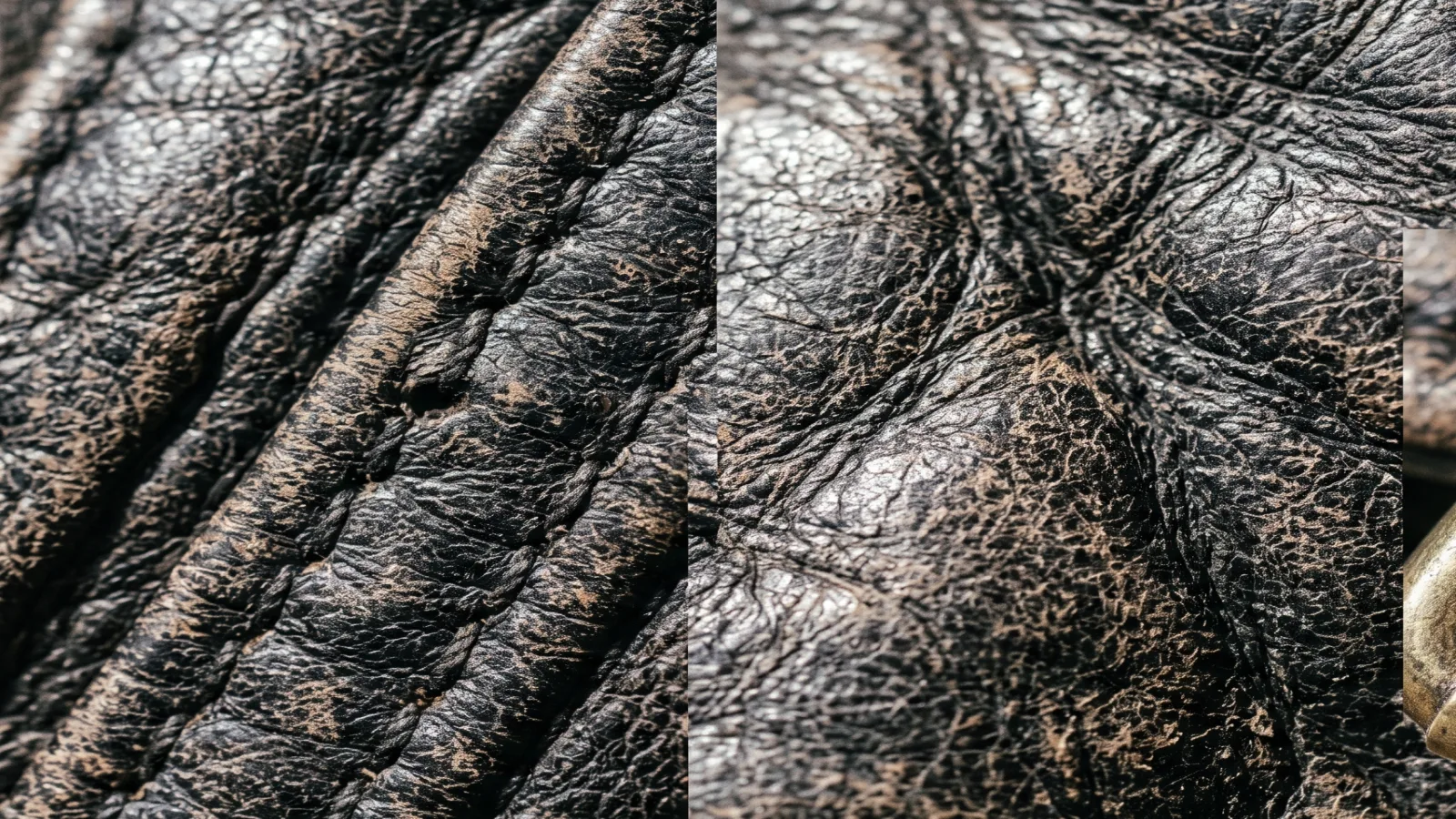
Start with the leather, not the brand
Almost every regret purchase comes from buying a silhouette and ignoring the hide. Three types show up constantly in vintage racks:
- Horsehide — dense, low stretch, develops a tight, waxy patina. Ages the best of the three but breaks in slowly and can feel stiff at first. Classic on older Schott 618/613 runs.
- Steerhide (cowhide) — the most common vintage jacket leather. More give than horsehide, softens faster, still holds shape for decades if the tannage was good.
- Lambskin — soft and light from day one, common on 80s fashion-cut bombers. Beautiful drape, but thinner and more prone to tearing at stress points. Fine for a jacket you baby, risky for a daily rider.
If a listing doesn't say which one, ask before you buy. A seller who knows their inventory will know the hide.
Construction tells that separate real vintage from a costume
- Stitching density. Real work jackets and flight jackets run tight, even stitch lines, usually 6-8 stitches per inch on structural seams. Loose or wandering stitching is a fashion reproduction, not a workwear piece.
- Hardware. Talon and Conmar zippers show up on jackets from the 1930s-60s; YKK becomes standard later. A jacket claiming to be 1950s with a modern YKK zipper has almost certainly been re-zipped — not a dealbreaker, but it should affect the price.
- Lining wear pattern. Honest wear shows at the cuffs, collar, and lower back — where a body actually moves against fabric. Uniform all-over distressing, especially on the outside only, is usually manufactured "vintage-wash," not age.
- Snap and rivet stamps. Makers stamp their hardware — Schott snaps read "SCOVILL" or "SCHOTT," military A-2s carry contract numbers inside the collar. No stamps at all on a jacket claiming a name brand is a red flag.
If you want to handle a few reference pieces before buying vintage blind, Schott's current-production 618 uses the same horsehide construction logic as their vintage runs, which makes it a useful in-hand comparison for stitching and hide feel.
See current listings →Sizing and shrinkage — the part everyone gets wrong
Vintage leather sizing runs small by modern standards, and unlike denim, leather does not stretch back out once it's shrunk from age or a bad cleaning. Measure flat, don't trust the tag:
- Chest — measure pit to pit, armpit seam to armpit seam, then double it. This is the number that matters most; leather has almost no give here.
- Shoulder — seam to seam across the back. A dropped or narrow shoulder seam can't be altered without reworking the whole jacket.
- Sleeve — shoulder seam to cuff. Sleeves can be shortened by a tailor; they can't be lengthened.
Rule of thumb: buy for the chest measurement first. A jacket that's tight in the shoulder or short in the sleeve is a return; a jacket that's roomy in the body can often still be worn well, especially on a fashion cut.
Where to actually look
eBay (advanced search)
Still the deepest inventory for vintage leather specifically. Filter by "Vintage" condition and search the maker name plus "horsehide" or "steerhide" to skip the fashion reproductions.
Local thrift & military surplus
Slower, but zero markup. Surplus stores specifically are underrated for real A-2 and G-1 flight jackets that resale apps have already priced up.
A search worth bookmarking: maker name + hide type + "vintage," sorted by newly listed, so you catch new inventory before it gets bid up.
Try it on eBay →What to budget
As a rough benchmark in 2026: unbranded steerhide vintage jackets in good condition run roughly $80-180 secondhand. Named makers (Schott, Avirex, Vanson) in good condition run $180-400. Documented military-issue A-2s with intact contract stamps regularly clear $400-800+ depending on maker and paperwork. Anything priced well under those bands on a "vintage" listing deserves a closer look at the construction tells above before you buy.