How to Spot Fake Korean Streetwear
The construction, label, and packaging tells that separate authentic pieces from the counterfeits flooding resale marketplaces.
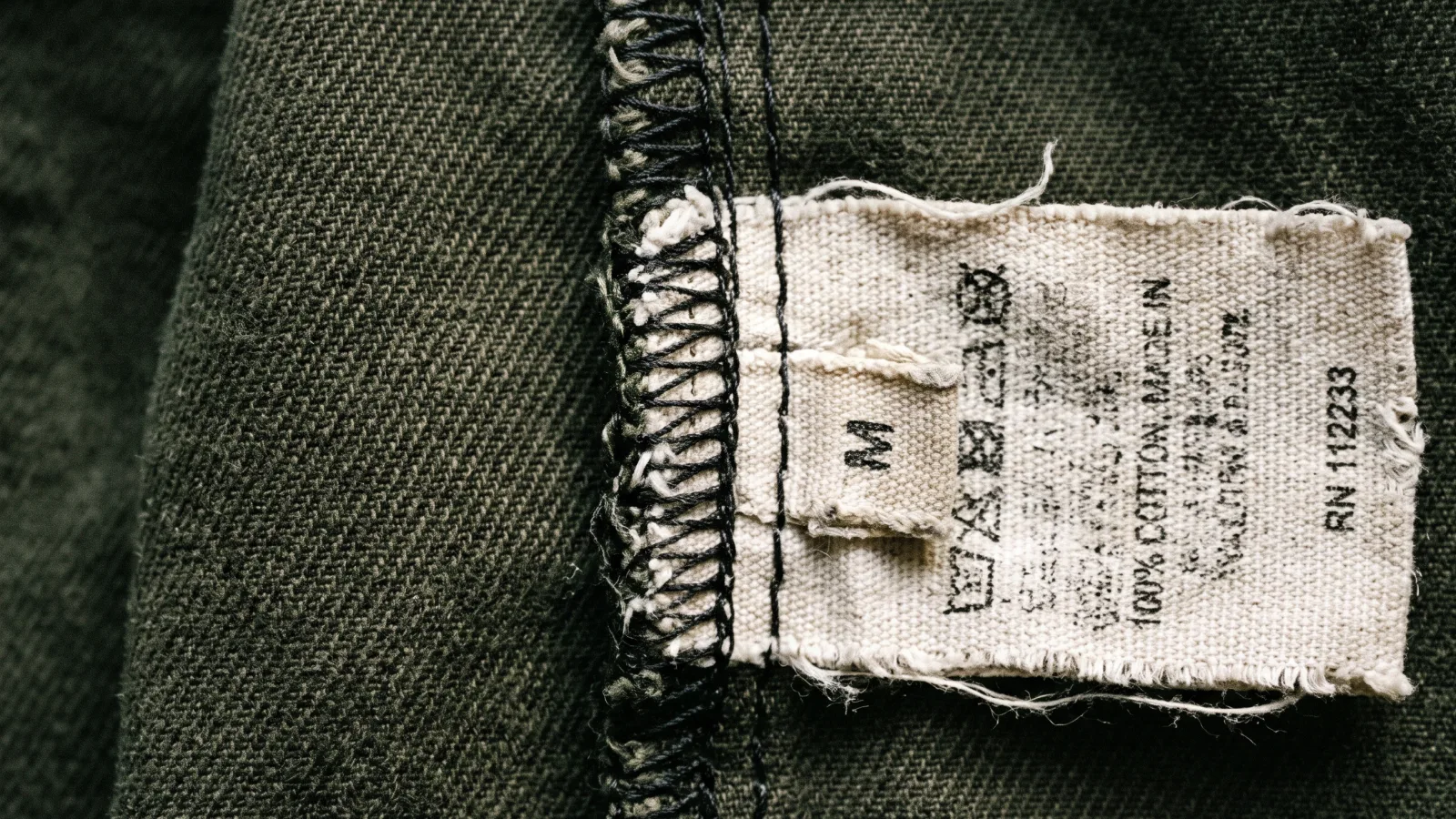
Why this niche gets counterfeited so heavily
Small-batch drops, limited restocks, and prices that already run high before resale markup make Korean streetwear an efficient target for counterfeiters — buyers are primed to expect scarcity and pay a premium without blinking, which is exactly the environment fakes thrive in. Unlike mass-market logo goods, there's no single universal tell; each label has its own construction quirks, which means the fastest way to protect yourself is knowing a handful of brand-agnostic checks that apply across the space.
Check the label before anything else
- Font and spacing. Counterfeit labels are usually copied from a low-resolution photo, so letterforms are slightly thicker, kerning is uneven, or the logo is subtly stretched compared to the brand's official reference images.
- Care label details. Legitimate brands print consistent country-of-origin and care instructions matched to their actual manufacturing base. A brand that's always made in South Korea suddenly showing a different origin country is worth a second look.
- Stitching on the label itself. Woven labels sewn on crookedly, with loose thread ends, or attached with visibly different thread color than the rest of the garment are a common tell — legitimate factories sew labels by machine with consistent tension.
Construction details fakes routinely get wrong
- Seam finishing. Authentic pieces from established labels usually have clean, consistent overlocked or bound seam allowances on the inside. Raw, fraying, or inconsistent seam finishing inside a piece claiming a premium label is a red flag.
- Hardware weight and stamps. Zippers, snaps, and drawcord tips are often stamped with the brand name or a house zipper supplier (YKK, for instance, is common even on authentic pieces — its presence isn't a red flag by itself, but a zipper that feels thin or plasticky compared to the rest of the garment's build quality often is).
- Print and embroidery placement. Compare placement, scale, and stitch density of any logo print or embroidery against official product photos from the brand's own site — counterfeiters frequently get the proportions or exact placement slightly off.
Keep a saved folder of official product photos for pieces you're actively hunting, straight from the brand's own site — it's the fastest way to compare a listing's photos against a verified reference in seconds.
Revisit the brand guide →Where you buy matters as much as what you're buying
- Buy direct from the brand when they ship internationally — this eliminates the authentication question entirely.
- Authorized stockists (SSENSE, END, Farfetch) vet the brands they carry, which is a meaningful layer of protection over an open marketplace listing.
- On resale platforms, favor sellers with real transaction history and buyer feedback specific to authenticated items — a brand-new account listing multiple "grail" pieces at below-market prices is the single most common counterfeit pattern.
- Be suspicious of sellers who won't send additional photos of interior tags, stitching, or hardware before you buy — a legitimate seller with nothing to hide will send more photos without hesitation.
When in doubt, price is still the strongest signal
A price meaningfully below the going resale rate for a piece is the single most reliable early warning sign, more reliable than any single visual tell. Check completed listings on the platform you're buying from (not just active asking prices, which can be inflated) to know what a piece has actually sold for recently before treating a "deal" as legitimate rather than a red flag.